

Four words. That is all it takes. Yet somehow, “have a blessed day” lands differently than anything else you could say at the end of a conversation. It does not feel like small talk. It feels like something meant — a tiny, quiet wish wrapped inside an ordinary goodbye. This article digs deep into those four words to uncover what they truly carry, why they still matter, and how something so simple can touch someone so deeply.
Whether you say it every morning at the coffee shop, hear it from a cashier, or receive it in a text from a friend, this phrase deserves more attention than it usually gets. Because once you understand what it really means — spiritually, psychologically, and culturally — you will never say it or hear it the same way again.
Find more daily encouragement in our new week blessings guide.
A Simple Phrase With a Powerful Message
Think about the last time someone said “have a blessed day” to you. Did you brush past it? Most people do. But stop for a moment and really sit with those words.
The person saying them is not just filling silence. They are telling you that they noticed you, that they care about what happens to you, and that they are sending something good your way as you walk out the door. That is not a small thing. In a world where most people are rushing through their days barely making eye contact, a phrase like this cuts through the noise like a beam of light.
It is not just a polite farewell. It is a small act of generosity — one that costs nothing and gives everything.
Why Words Like These Matter in Daily Life?
Language shapes how we experience the world. The words we use — and the words we receive — influence our mood, our mindset, and even our physical stress levels. Research in positive psychology consistently shows that verbal kindness reduces cortisol, the stress hormone, and activates the brain’s reward pathways.
When someone wishes you well with sincerity, your nervous system actually responds. You feel seen. You feel safer. And that shift, however small, can change the entire direction of your day.
- Kind words signal safety and connection to the human brain
- Hearing a genuine blessing increases the sense of being valued
- Verbal goodwill creates a ripple effect — the receiver is more likely to pass it forward
- In emotionally busy or stressful environments, a phrase like this creates a brief moment of calm
The phrase “have a blessed day” has survived generations because it carries real emotional weight. It is not filler. It is a genuine act of human care compressed into four words.
The Meaning Behind “Have a Blessed Day”
At its core, “have a blessed day” means: I hope good things find you today. But the word “blessed” adds layers that plain old “good” simply cannot reach.
The word “blessed” comes from the Old English bledsian, rooted in the concept of being favored, protected, or consecrated by something greater than yourself. When someone uses it in a greeting, they are not just wishing you a smooth commute or an easy afternoon. They are wishing you something deeper — inner peace, protection from harm, and a day filled with grace rather than just convenience.
Breaking it down simply:
- “Have” — an active invitation, not passive
- “a blessed” — touching on divine favor, goodness, and spiritual protection
- “day” — the full scope of your coming hours, not just a moment
Together, the phrase becomes a complete wish: May everything that touches you today be touched by goodness first. That is a powerful thing to say to another person. And most people who say it mean exactly that.
Bible Verses That Capture the True Spirit of a Blessed Day
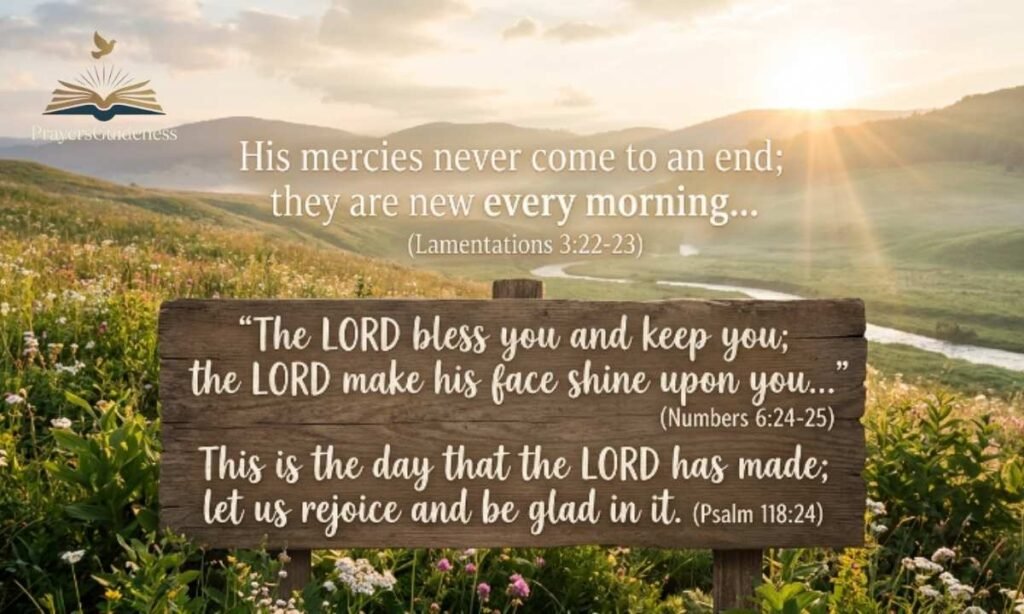
The concept of blessing someone is deeply rooted in biblical tradition. Long before it became a casual goodbye, speaking a blessing over another person was considered a sacred act — one of the most intentional things you could do for someone.
Here are some of the key Bible verses that capture what a truly blessed day looks like:
Numbers 6:24–26 — “The Lord bless you and keep you; the Lord make His face shine on you and be gracious to you.” This is one of the oldest recorded blessings in human history, still spoken in churches worldwide today.
Psalm 118:24 — “This is the day the Lord has made; let us rejoice and be glad in it.” A reminder that every single day is a gift worth celebrating.
Proverbs 16:24 — “Gracious words are like a honeycomb, sweet to the soul and healing to the bones.” This verse directly speaks to the power of kind speech — like saying “have a blessed day” to a stranger.
Ephesians 4:29 — “Let no corrupting talk come out of your mouths, but only such as is good for building up, as fits the occasion.” Every time you say a blessing over someone, you are living this verse out loud.
1 Thessalonians 5:18 — “Give thanks in all circumstances; for this is the will of God.” A blessed day is not a perfect day — it is a day lived with gratitude regardless of what comes.
These verses do not just support the phrase; they explain why it has lasted thousands of years. Speaking blessings over people is one of the most ancient expressions of love we have.
The Difference Between “Blessed” and “Blessing”
People often use these two words interchangeably, but they actually point in different directions — and understanding the distinction makes both words richer.
“Blessed” describes a state of being. It is something you receive. A blessed person is one who has been touched by divine favor, grace, or goodness. When you say “have a blessed day,” you are wishing someone the experience of being in that state — of feeling favored, protected, and whole.
“Blessing” describes an act of giving. It is something you offer. When you bless someone — whether through a prayer, a kind word, or a generous action — you are the channel through which goodness flows toward another person.
Think of it this way: a blessing is the rain. Being blessed is the garden it creates.
Both words point to the same beautiful truth — goodness is active, it moves, and it passes from one person to another. When you say “have a blessed day,” you are doing both at once: you are giving a blessing and wishing the other person the experience of being blessed. That is a remarkably generous thing to fit into four small words.
Is It Religious or Just Kind?
This is the question that follows the phrase like a shadow. And the honest answer is: it can be both, and that is perfectly fine.
For people of faith — particularly Christians — saying “have a blessed day” is a direct expression of their belief that God’s favor and care can be called upon for another person. It is a miniature prayer dressed up as a farewell.
For people who are not religious, the phrase has become part of the broader cultural vocabulary of kindness. It is used the same way you might say “take care” or “be well” — as a sincere expression of goodwill that does not require a theological framework to feel meaningful.
The key truth here is that intent shapes meaning. When the phrase is spoken with genuine warmth, most people — regardless of their beliefs — receive it as exactly what it is: a human being wishing them well. That sincerity crosses every religious and cultural boundary that exists.
It is similar to saying “God bless you” after someone sneezes. Very few people stop to debate theology in that moment. They simply say thank you and move on, because they understood the heart behind it.
What Saying It Reveals About You?
The words you choose in ordinary moments reveal a great deal about who you are. Saying “have a blessed day” is no exception.
People who use this phrase regularly tend to share certain traits:
- They think about others beyond the immediate moment of interaction
- They believe words carry real weight and that theirs should carry goodness
- They have a generous spirit — one that gives kindness freely without expecting anything in return
- They see life through a lens of gratitude and spiritual awareness, whether formally religious or not
- They possess high emotional intelligence — understanding that a kind word can genuinely shift someone’s experience
Saying this phrase regularly reveals a habit of intentional kindness. It shows that you are not just moving through the world on autopilot. You are choosing, in small deliberate moments, to add something good to the day of every person you encounter.
It also shows that your values do not stay private. They overflow outward — into your words, your greetings, and your goodbyes.
The Psychology of Why Hearing “Have a Blessed Day” Actually Changes Your Day
Science has something to say here, and it is worth paying attention to.
When you hear words that signal genuine care and positive intention, your brain activates the reward system. Neurotransmitters like dopamine and serotonin are released. Your stress response dials down. In plain terms: hearing a sincere kind word actually makes you feel physically better, even if only briefly.
But there is more to it than basic neurochemistry. Psychologically, hearing “have a blessed day” does several specific things:
- It signals that you were noticed. Being seen is one of the most fundamental human needs. When someone pauses to wish you well, they are confirming your presence — and that matters more than we usually admit.
- It interrupts a negative thought loop. If you were already caught in worry or stress, a genuinely warm phrase can momentarily break that cycle and redirect your attention.
- It increases your sense of social belonging. Even a brief exchange with a stranger that involves genuine goodwill reduces feelings of isolation and disconnection.
- It models the behavior for others. When you receive a blessing, you are significantly more likely to pass one forward — creating a real ripple effect of kindness throughout the day.
Researchers in positive psychology suggest that gratitude and thankfulness are foundational to feeling truly blessed. And hearing that someone wishes blessings for you activates the same neural circuitry as experiencing gratitude yourself. That is why a simple phrase can genuinely change the direction of a whole day.
Everyday Situations Where “Have a Blessed Day” Fits Naturally

One of the reasons this phrase has endured is how versatile it is. It works in an enormous range of contexts without feeling forced or out of place.
In the morning: Said to a coworker, a neighbor, or a family member as the day begins, it sets a warm and intentional tone.
At a checkout counter: When a cashier or server wraps up a transaction, this phrase transforms a routine exchange into a genuine human moment.
Ending a phone call: Instead of a flat “bye,” this closes conversations with real warmth — especially with family, elderly relatives, or close friends.
In a text or email sign-off: Particularly in personal or faith-adjacent professional settings, ending a message this way feels thoughtful rather than generic.
After helping someone: When you have done something kind for another person, wishing them a blessed day completes the act with a forward-looking prayer for their continued wellbeing.
On difficult days: Interestingly, this phrase carries even more power when someone is clearly struggling. It is a quiet reminder that someone out there is holding good wishes for them, even when things feel hard.
The phrase does not need a specific setting to land well. It needs only sincerity.
What “Have a Blessed Day” Means in Different Languages and Cultures?
The desire to bless another person is not a uniquely English or Christian concept. It exists across nearly every language and culture on earth, often with the same depth of meaning.
In Arabic: “Yawm mubarak” — literally, “a blessed day.” The root word baraka carries connotations of divine abundance and grace that run deep through Islamic and Middle Eastern culture.
In Urdu/Pakistani culture: “Allah aap ka din mubarak kare” (May Allah make your day blessed) and “Ba-barkat din ho” (May your day be full of divine goodness) are common daily expressions. The word barkat means filled with divine goodness from the inside out — not merely lucky, but spiritually abundant.
In Spanish: “Que Dios te bendiga” (May God bless you) and “Ten un dia bendecido” are warm, culturally common expressions of the same sentiment.
In Hebrew: The word baruch (blessed) appears throughout the Torah and is embedded in Jewish daily prayer and greeting culture. Blessing another person is a deeply communal and religious act.
In African cultures: Many traditions include formal blessing rituals for the start of a day, where elders speak protection and favor over community members. The concept is ceremonial, not casual.
What is remarkable is that across all of these cultures, the underlying wish is identical: may something greater than us watch over you today. The words differ. The heart does not.
Common Misunderstandings and Cultural Differences
Despite its warmth, “have a blessed day” is not always received the same way by everyone. Understanding why can help you use the phrase more thoughtfully.
Some people find it too religious. In highly secular environments or in regions where religious language in public spaces is uncommon, the phrase can feel out of place or presumptuous. The person receiving it may feel that their own beliefs are being assumed or overlooked.
It can feel performative when insincere. When said without genuine feeling — rushed, robotic, or as a trained customer service sign-off — the phrase loses all its power and can even feel hollow or dismissive.
Cultural context shapes interpretation. In the American South or in communities with strong faith traditions, “have a blessed day” is as ordinary as “have a nice day.” In other regions or countries, the same words might raise eyebrows or prompt confusion.
Some non-believers feel excluded. A small number of people report feeling uncomfortable with the phrase because it implies a shared belief system they do not hold. While most recognize the good intention behind it, some prefer more neutral farewell phrases.
The guiding principle here is simple: the heart behind the phrase always matters more than the exact words. When sincerity is present, most people feel it — regardless of their background or beliefs.
How to Respond to “Have a Blessed Day”?
Whether or not you share the faith behind the phrase, there is always a gracious and warm way to respond. Here are natural options that work for any comfort level:
- “Thank you, you too!” — Simple, warm, and universally appropriate. This is almost always the right answer.
- “Thank you so much, that means a lot.” — A slightly warmer version that acknowledges the sincerity of the wish.
- “Same to you, and bless you as well.” — Works beautifully if you share the spiritual sentiment.
- “Thank you, I hope your day is wonderful too.” — A slightly more neutral version that still reciprocates warmth.
- A genuine smile and nod — Sometimes, presence communicates more than words.
The one thing to avoid is making the other person feel their kindness was inappropriate or unwelcome. Even if the religious framing is not your personal language, the person saying it to you offered a genuine gift. Receiving it graciously honors that.
Heartfelt Ways to Wish Someone a Blessed Day Beyond the Phrase
If “have a blessed day” has become so familiar that it feels automatic, here are meaningful alternatives that carry the same spirit with fresh energy:
- “I’m wishing you peace every step of today.”
- “May something unexpectedly good find you today.”
- “I hope today is as kind to you as you are to others.”
- “Go out there and have the kind of day you deserve.”
- “Wishing you strength, peace, and a little bit of wonder today.”
- “May today surprise you with something beautiful.”
- “I’m sending you every good thing as you head into this day.”
These alternatives work especially well in written form — on cards, in messages, or as social media captions. They feel personal without being generic, and they carry the same core intention: I care about what happens to you today.
Bless Your Day With This Powerful Morning Prayer
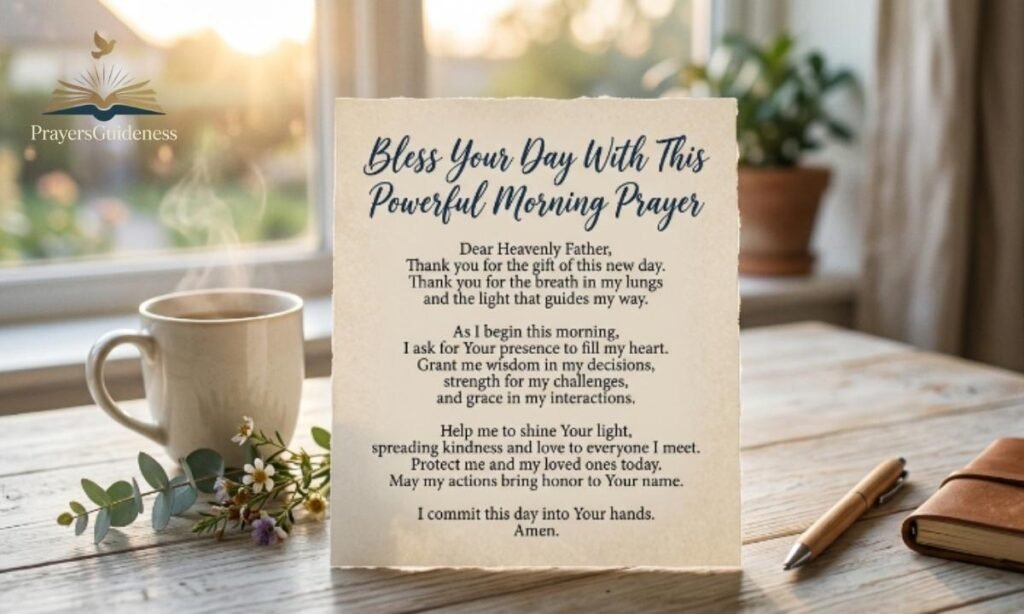
A morning prayer does not need formal language or a quiet chapel. It just needs a few quiet seconds and a willing heart.
Lord, before this day fully begins, I bring it to You. I ask for peace in moments of pressure, clarity when things get confusing, and enough grace to be kind to everyone I meet. Watch over the people I love. Guard the ones who are struggling. Let something good break through today — even if it is small. Help me to be a blessing to at least one person before this day is done. And remind me, when I forget, that every day I wake up is already a gift. Amen.
You do not have to wait until you feel ready to pray. The moment you open your eyes is the right moment. Start the day with intention, and the day tends to follow suit.
Blessed Day Quotes That Carry Real Meaning and Warmth
Words from others can help us find our own. Here are some of the most meaningful quotes about blessed days and the power of spoken kindness:
“An early morning walk is a blessing for the whole day.” — Henry David Thoreau
“When you arise in the morning, think of what a precious privilege it is to be alive — to breathe, to think, to enjoy, to love.” — Marcus Aurelius
“Too many of us are not living our dreams because we are living our fears.” — Les Brown
“Every day I feel is a blessing from God. And I consider it a new beginning.” — Prince
“A blessed day is not a perfect day — it is a day lived with some intention and some grace.”
“You will never know the full impact of a kind word you gave away. But trust that it went somewhere good.”
“Kind words cost nothing but mean everything to the person who receives them.”
These words remind us that the concept of a blessed day is universal. It is not about things going right. It is about showing up to the day with your whole self — and leaving a little grace behind as you go.
“Have a Blessed Day” Images, GIFs, and Cards for Every Occasion
In the digital age, the sentiment behind “have a blessed day” travels through screens as often as through spoken words. Images, GIFs, and digital cards have become one of the most popular ways to share this blessing — especially on social media, in group chats, and through messaging apps.
When to share a blessed day image or GIF:
- Early morning messages to friends or family to set a warm tone for the day
- As a response in a group chat when someone shares good news or a prayer request
- On Facebook or Instagram captions for uplifting posts
- As a birthday wish or holiday greeting that goes beyond the standard message
- During difficult seasons when someone needs a visible reminder that they are thought of
What makes a great blessed day image:
- Soft, warm lighting — sunrises, nature, gentle golden tones
- Simple, easy-to-read typography over a calm background
- A short, sincere message that does not feel crowded or overly decorative
- Bible verse overlays for faith-based audiences
- Inclusive, warm imagery that can reach people across backgrounds
When you send one of these images, you are doing more than filling a notification. You are taking a moment out of your day to tell someone: I thought about you. I wanted you to feel this.
Why Spreading Blessings Still Matters Today?
We live in a paradox. We are more digitally connected than any generation in human history — and somehow, loneliness has become one of the defining crises of modern life. People scroll for hours without feeling truly seen. They communicate constantly without feeling genuinely heard.
That is exactly why one sincere, unexpected blessing still lands so hard.
When someone pauses in their own busy day to wish you a blessed one, they are doing something quietly radical. They are choosing to see you as a full human being worthy of care — not just a transaction to complete or a moment to rush through.
- Spreading blessings builds communities where people genuinely watch out for one another
- It creates a culture of care in homes, offices, schools, and neighborhoods
- It is one of the most accessible forms of generosity — it costs nothing
- In environments saturated with negativity, a blessing stands out like light in a dark room
- It reminds the giver as much as the receiver that kindness is always worth the extra second
You will never know the full impact of a kind word you gave away. But trust that it went somewhere good.
How to End Every Day With a Grateful and Blessed Heart?
The morning prayer sets the intention. But the evening reflection seals it.
Ending your day with gratitude is not about pretending everything was perfect. It is about looking back with honest eyes and finding the small, real things that mattered — even on a hard day.
A simple evening practice:
- Think of three things that went well, even if they were tiny
- Name one person who made your day a little better — and consider telling them
- Acknowledge one moment where you were a blessing to someone else
- Release the things that did not go as planned — they belong to yesterday now
- Close your eyes with the quiet intention to begin tomorrow with fresh grace
A blessed day does not mean a flawless day. It means a day you moved through with some intention, some kindness given, and some gratitude held. End every day like that, and you will wake up ready to bless the next one.
Frequently Asked Questions
What does “have a blessed day” actually mean?
It means the speaker is sincerely wishing you a day filled with peace, goodness, and divine favor — a day where things go well on a deep, meaningful level, not just on the surface.
Is “have a blessed day” a religious phrase?
It has religious roots, but many people use it simply as a warm expression of kindness, regardless of faith background. Intent matters more than the theological origin.
Can non-religious people say “have a blessed day”?
Absolutely. Anyone can say it sincerely. The phrase communicates genuine care, and that care is universal — it does not require shared belief to feel real.
How should I respond when someone says “have a blessed day”?
A simple “thank you, you too!” is always gracious and appropriate. You do not need to match their religious tone — just acknowledge the kindness warmly.
What is the difference between “blessed” and “blessing”?
“Blessed” is a state of being — something received. “Blessing” is an act of giving. When you say “have a blessed day,” you are both offering a blessing and wishing someone the experience of being blessed.
Why does hearing “have a blessed day” feel different from “have a good day”?
Because the word “blessed” implies more than convenience or comfort. It carries the wish for inner peace, protection, and grace — a deeper category of goodness than just a smooth afternoon.
Is it appropriate to say “have a blessed day” in professional settings?
In most cases, yes. It is warm, respectful, and widely understood as a sincere expression of goodwill. In highly secular or formal environments, use your judgment, but it is rarely received negatively when said with genuine warmth.
Conclusion
“Have a blessed day” is not just a phrase people say out of habit. It is one of the few things left in everyday language that carries real weight — a tiny prayer, a small act of love, a moment of genuine human connection wrapped inside four ordinary words. When you say it and mean it, you are participating in something ancient and beautiful.
So say it more. Mean it every time. Let your words be the kind that leave something good behind. Because in a world moving faster every day, a sincere blessing — however quietly spoken — might be exactly what someone needed to make it through theirs.

1 thought on “The Real Meaning Behind “Have a Blessed Day”: More Than Just Words”